Introduction to Chic Draping
Draping has long been a hallmark of sophisticated fashion, tracing its roots back to ancient Greek and Roman civilizations. The art of chic draping—particularly through Greek-inspired gathering and asymmetrical folds—represents timeless elegance that transcends seasonal trends. Whether you’re dressing for a special occasion or elevating your everyday wardrobe, mastering the technique of draping can instantly transform your silhouette and create a refined, statuesque appearance.
Unlike structured tailoring, draping celebrates the natural fluidity of fabric, allowing garments to move gracefully with your body. This technique has experienced a renaissance in contemporary fashion, with designers from high-end luxury brands to accessible retailers incorporating dramatic drapes into their collections.
Understanding Greek-Inspired Draping Fundamentals
Greek draping is characterized by its emphasis on fluid, elegant lines that create an almost sculptural effect on the body. The ancient Greeks mastered the art of transforming simple rectangular pieces of fabric into sophisticated garments through strategic gathering and folding.
The Classical Principles
Greek-inspired draping operates on several fundamental principles. First, it embraces vertical lines that elongate the body. Second, it uses strategic gathering points to define and flatter the figure. Third, it celebrates asymmetry as a design element rather than viewing balance as strictly symmetrical. These principles work together to create an effortlessly luxurious aesthetic that appears intentional yet natural.
The beauty of Greek draping lies in its versatility. The same basic technique can be adapted to create numerous silhouettes—from toga-inspired evening wear to modern asymmetrical blouses and wrap dresses.
Asymmetrical Folds: Creating Visual Interest
Asymmetrical folds are the secret weapon of chic dressing. Unlike symmetrical folds that create predictable, balanced designs, asymmetrical folds introduce sophistication and unexpected elegance to any outfit.
The Psychology of Asymmetry
Asymmetrical designs work on the psychological principle of visual tension. While symmetric designs feel predictable and calm, asymmetrical arrangements create movement and energy. In fashion, this translates to garments that feel modern, artistic, and intentional. When executed properly, asymmetrical draping actually draws the eye toward your best features and away from areas you wish to downplay.
Types of Asymmetrical Folds
One-Shoulder Drapes: This classic asymmetrical approach features fabric gathered at one shoulder with the opposite side left open or flowing. It’s perfect for evening wear and creates a distinctly Greek goddess aesthetic. One-shoulder drapes work particularly well for pear-shaped bodies as they balance proportions.
Diagonal Folds: Running from one side of the body to another, diagonal folds create elongating lines that flatter most body types. These folds can originate at the waist, shoulder, or hip, depending on where you want to draw attention.
Cascading Layers: Multiple asymmetrical folds layered on top of each other create depth and movement. This technique works beautifully in flowing fabrics like silk, chiffon, or jersey.
Wrapped and Twisted Drapes: Fabric twisted around the body before being gathered creates dynamic curves and visual interest. This technique is ideal for creating interesting necklines and waist definitions.
Gathering Techniques for Timeless Elegance
Gathering—the technique of bunching fabric at specific points to create fullness and texture—is fundamental to achieving chic draping. Strategic gathering creates definition without relying on rigid seams or structured tailoring.
Strategic Gathering Placement
The placement of gathers dramatically affects the overall aesthetic. Gathers at the shoulder create a sophisticated, lifted appearance and work well for those with narrow shoulders. Waist gathering emphasizes an hourglass figure, while hip gathers add volume to flatter petite frames or create movement for taller women.
Fabric Considerations for Gathering
Not all fabrics gather equally. Lightweight fabrics like chiffon, silk, and crepe gather beautifully and maintain their soft, flowing appearance. Medium-weight fabrics such as cotton blends and linen work well but require careful handling to avoid bulking. Heavy fabrics like wool coating or structured cotton should be gathered sparingly, as excessive gathering can create unwanted bulk.
Modern Applications of Greek-Inspired Draping
While Greek draping has ancient roots, its applications in contemporary fashion are remarkably varied and relevant.
Casual Wear
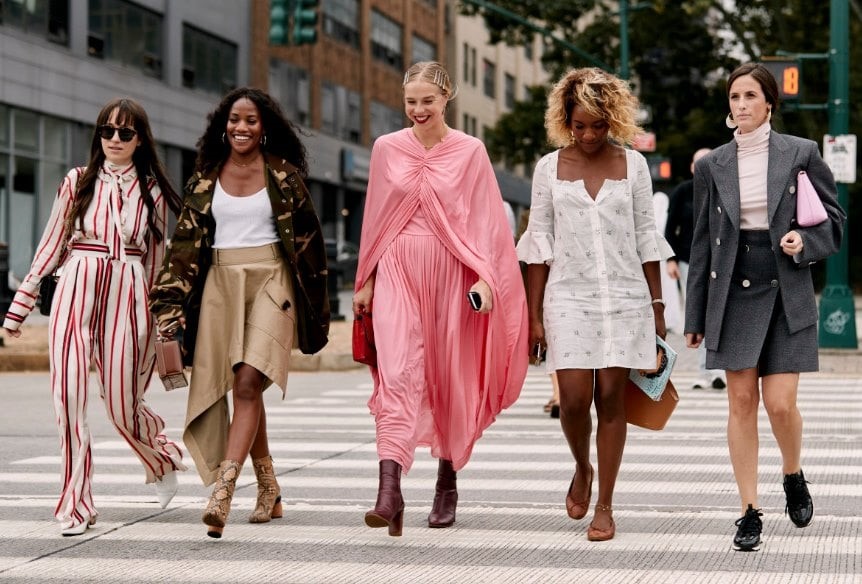
Asymmetrical draping isn’t reserved for special occasions. Wrap-front blouses with asymmetrical hemlines, draped t-shirts with gathered sides, and one-shoulder casual dresses bring sophisticated elegance to everyday dressing. These pieces feel elevated yet accessible, transforming basic outfits into curated looks.
Evening and Formal Wear
For formal occasions, Greek-inspired draping truly shines. Floor-length gowns with asymmetrical necklines, draped backs, and flowing skirts create the ultimate red-carpet moment. The technique flatters diverse body types and photographs beautifully, making it a favorite choice for events and celebrations.
Professional Styling
Subtle draping in professional settings—such as draped blazers with asymmetrical closures or blouses with elegant gathers at the shoulders—adds personality and sophistication to business wear. These pieces maintain professionalism while showcasing fashion consciousness.
Styling Tips for Maximum Impact
Body Type Considerations
Different body types benefit from different draping approaches. Pear-shaped figures should emphasize shoulder draping to balance proportions. Apple-shaped silhouettes benefit from waist gathering that defines the narrowest part of the body. Hourglass figures can showcase virtually any draping style, while rectangular figures gain dimension from generous gathering at hips or bust.
Accessorizing Draped Pieces
Since draped garments are inherently textural and visually interesting, accessories should be more minimal. A simple pendant necklace, sleek belt, or structured bag allows the draping to remain the focal point. For evening wear, consider statement earrings rather than necklaces, as they won’t compete with dramatic neckline draping.
Footwear Pairings
The right footwear completes a draped look. For formal draped dresses, strappy heels or metallic sandals elongate the leg and enhance the sophisticated aesthetic. Casual draped tops pair beautifully with minimalist sneakers, ballet flats, or simple loafers. Avoid overly trendy or chunky shoes that can clash with the classic elegance of draping.
How to Create DIY Draping
If you’re interested in experimenting with draping yourself, the process is more accessible than many assume. Start with a piece of lightweight, forgiving fabric like muslin or jersey to practice techniques without wasting expensive materials.
Basic steps include: selecting a solid base garment or fabric piece, identifying where you want gathers (shoulder, waist, or hip), and strategically pulling and pinning fabric to create your desired fold effect. Secure gathers with hand stitching or strategic safety pins. Practice creates confidence, and soon you’ll develop an intuition for how different fabrics respond to gathering and folding.
The Timeless Appeal of Draped Fashion
The enduring popularity of Greek-inspired draping speaks to its fundamental appeal. In a fashion world obsessed with trends, draping remains elegantly timeless. It celebrates the female form without relying on tight, restrictive tailoring. It flatters diverse body types, can be adapted for numerous occasions, and creates an air of sophistication that seems effortless yet clearly intentional.
Conclusion
Chic draping with Greek-inspired gathering and asymmetrical folds represents the intersection of ancient artistry and contemporary style. Whether you invest in designer draped pieces or learn to create your own effects, mastering this technique elevates your fashion repertoire. The key is understanding that draping isn’t rigid—it’s fluid, forgiving, and infinitely adaptable to your personal style and body type. By embracing the elegance of asymmetrical folds and strategic gathering, you unlock a timeless approach to dressing that transcends fleeting trends and creates a signature sophisticated aesthetic that is entirely your own.