Gender-Fluid Freedom: How Unstructured Silhouettes and Fluid Knits Are Dominating Mainstream Street Style
The fashion industry is experiencing a seismic shift. What was once considered niche or avant-garde is now firmly planted in the mainstream consciousness: gender-fluid fashion. The rise of unstructured silhouettes and fluid knits represents more than just a passing trend—it’s a fundamental reimagining of how we express ourselves through clothing. From high fashion runways to everyday street style, the boundaries between traditionally masculine and feminine aesthetics are dissolving, creating a more inclusive and liberating approach to personal style.
Understanding Gender-Fluid Fashion
Gender-fluid fashion celebrates clothing that transcends traditional gender binaries. Rather than designing pieces specifically for men or women, gender-fluid fashion focuses on universal fit, comfort, and aesthetic appeal. This movement challenges the longstanding convention that certain silhouettes, fabrics, and styles belong exclusively to one gender.
The concept isn’t entirely new—designers have experimented with unisex clothing for decades. However, what’s changed is the scale of adoption. Major fashion brands are now designing collections with gender-fluid principles at their core, and consumers are embracing these pieces with enthusiasm. This shift reflects broader societal changes in how we understand gender identity and self-expression.
The Power of Unstructured Silhouettes
Unstructured silhouettes form the backbone of gender-fluid fashion. Unlike tailored pieces that emphasize body shape, unstructured clothing drapes loosely, allowing wearers to determine how garments sit on their bodies. This approach offers unprecedented freedom in how individuals present themselves.
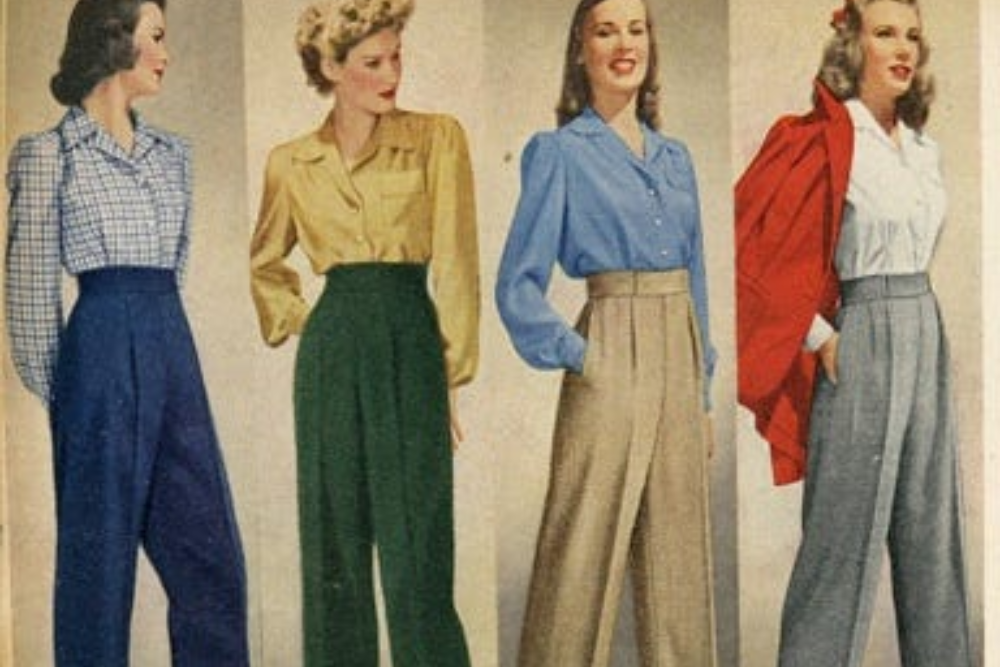
Oversized blazers, slouchy pants, and relaxed-fit shirts have become wardrobe staples for fashion-forward individuals of all genders. These pieces don’t cling to the body or accentuate curves and muscles—they simply exist as beautiful fabric structures that complement the wearer rather than define them. The appeal is obvious: comfort meets style, and personal choice trumps societal expectation.
Street style photography reveals the versatility of unstructured pieces. A single oversized linen shirt can be styled dozens of ways—tucked, layered, open over a t-shirt, or worn solo. The same pair of wide-leg trousers works for professionals, creatives, and casual wearers. This adaptability makes unstructured silhouettes incredibly practical while maintaining sophisticated visual appeal.
Fluid Knits: Comfort Meets Sophistication
Knitted garments have always possessed an inherent fluidity that structured fabrics cannot match. However, recent innovations in knit design have elevated these pieces to new heights of sophistication. Designers are experimenting with texture, weight, and construction techniques to create knitwear that’s both comforting and fashion-forward.
Oversized sweaters, elongated cardigans, and draped knit dresses dominate contemporary street style. These pieces offer the ease of a favorite worn-in sweater while delivering polished aesthetics. The beauty of fluid knits lies in their dual nature: they’re casual enough for weekend wear yet refined enough for professional environments.
The color palettes and textures in contemporary knit design further democratize fashion. Natural fibers like merino wool, cotton, and linen create pieces that age beautifully and feel luxurious against the skin. Neutral tones—creams, grays, blacks, and taupes—dominate collections, allowing the silhouette and texture to become the focal points rather than bold color.
Street Style: The Real-World Showcase
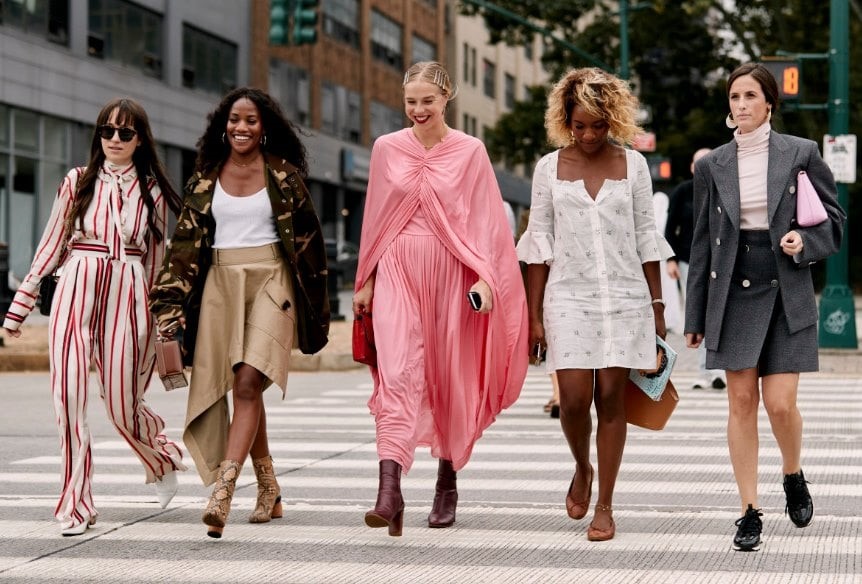
While fashion designers set the direction, street style photographers and everyday consumers drive mainstream adoption. The streets of fashion capitals like New York, London, Tokyo, and Copenhagen showcase the practical reality of gender-fluid fashion. Influencers and style icons are mixing traditionally masculine pieces with feminine elements, creating personalized aesthetics that defy categorization.
The beauty of street style is its authenticity. Unlike runway presentations, street style captures how real people integrate fashion into their lives. We see oversized menswear-inspired blazers paired with flowing skirts, wide-leg trousers worn with fitted tanks, and chunky knitwear styled in countless ways. This real-world experimentation demonstrates that gender-fluid fashion isn’t just theoretical—it’s practical, wearable, and appealing to diverse populations.
Social media amplifies this democratization further. Instagram, TikTok, and Pinterest users worldwide share their interpretations of gender-fluid style, creating a global conversation about fashion beyond traditional boundaries. Micro-influencers and everyday users hold as much sway in trend-setting as celebrity figures, creating a more inclusive narrative around style.
The Sustainability Connection
Gender-fluid fashion naturally aligns with sustainable fashion principles. By designing pieces without rigid gender specifications, brands can produce fewer SKUs while reaching broader audiences. This efficiency reduces overproduction—a major contributor to fashion waste. Additionally, the emphasis on quality, timeless pieces rather than trend-driven designs encourages longevity and multi-season wear.
Consumers adopting gender-fluid style tend to favor investment pieces that transcend seasonal trends. An oversized linen blazer or quality knit sweater becomes a wardrobe foundation worn across multiple seasons and styled in various ways. This approach directly contradicts fast-fashion consumption patterns, promoting a more sustainable relationship with clothing.
Breaking Down Barriers in Retail
The mainstreaming of gender-fluid fashion is forcing retail to evolve. Progressive brands are eliminating gendered sections in stores and online, instead organizing clothing by silhouette, size, or style category. This structural change makes fashion more accessible to individuals of all genders and helps customers discover pieces that suit their aesthetic preferences rather than their assigned gender.
Major retailers like ASOS, H&M, and Uniqlo have introduced gender-fluid collections or explicitly adopted sizing systems that prioritize fit over gender categories. These changes represent significant shifts in how the fashion industry operates. As more consumers shop across traditional gender boundaries, retailers that adapt quickly gain competitive advantages.
How to Embrace Gender-Fluid Style
For those interested in exploring gender-fluid fashion, the entry point is simpler than ever. Start with basics: quality white t-shirts, neutral knitwear, and well-fitting neutral pants. Add oversized shirts or blazers in natural fabrics. Experiment with proportions—pair loose-fitting tops with fitted bottoms or vice versa. Layer pieces to create depth and personal style.
Accessories play a crucial role in gender-fluid styling. Minimal jewelry, structured bags, and comfortable footwear complement the ease of unstructured silhouettes. The goal isn’t to look intentionally androgynous but to dress authentically in a way that feels comfortable and true to personal aesthetic.
Shopping for gender-fluid pieces means looking beyond traditional retail categories. Thrift stores offer vintage pieces in unexpected sizes and styles. Menswear sections contain oversized pieces perfect for gender-fluid styling. Womenswear collections increasingly offer the relaxed silhouettes characteristic of the trend.
The Cultural Significance
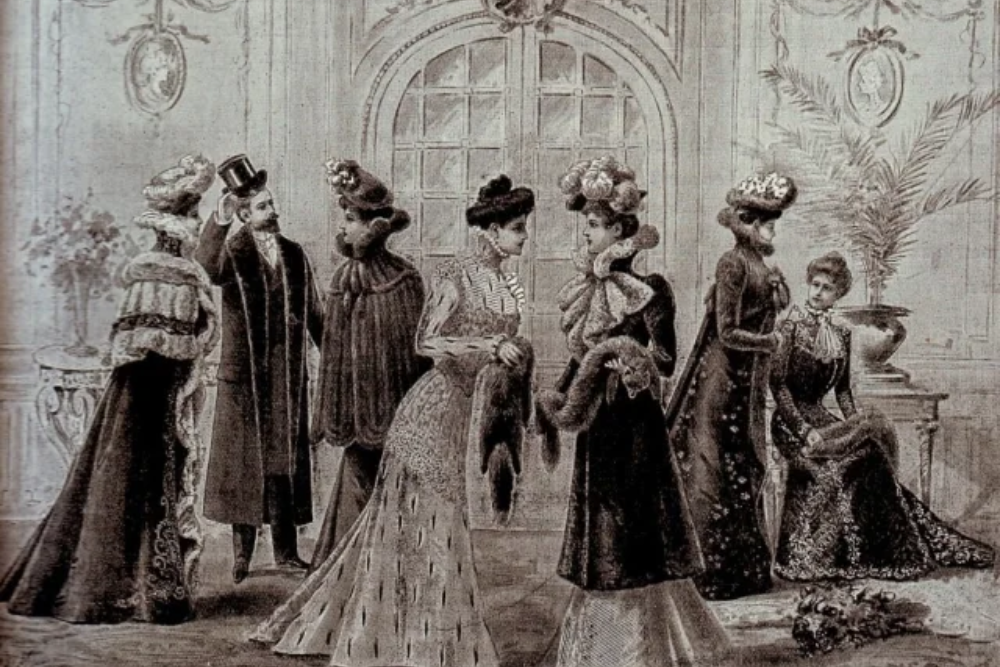
Beyond aesthetics, gender-fluid fashion represents cultural evolution. Fashion has historically been a tool of gender reinforcement, with clear visual markers distinguishing “masculine” from “feminine” presentation. The mainstreaming of gender-fluid style challenges this paradigm, suggesting that clothing is simply fabric—neither inherently masculine nor feminine.
This shift carries significant implications for self-expression and identity. Individuals can now explore their personal style without the rigid constraints of gender-based fashion rules. A person can enjoy oversized silhouettes and flowing fabrics without questioning their gender identity. Another might combine traditionally masculine and feminine elements without experiencing social friction.
Conclusion
The dominance of unstructured silhouettes and fluid knits in mainstream street style reflects a broader cultural shift toward inclusivity and authenticity. Gender-fluid fashion isn’t about eliminating gender—it’s about removing unnecessary constraints from self-expression through clothing. As more individuals embrace this approach, fashion becomes more democratic, sustainable, and ultimately more interesting. The future of style belongs to those who dress for themselves, not for expectations, and mainstream fashion is finally catching up to this liberating reality.