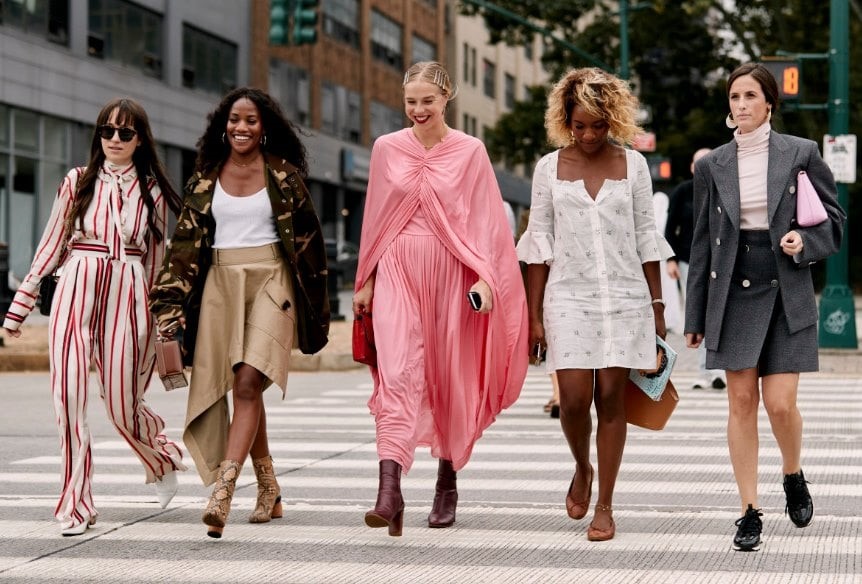
Personality Dressing vs. Uniform Maximalism: Breaking Free from Cookie-Cutter Internet Aesthetics
In an era dominated by Instagram influencers and TikTok trends, fashion has become increasingly homogenized. What once promised to be a celebration of individuality has morphed into a paradox where millions of people dress identically to express their uniqueness. This phenomenon, often called “uniform maximalism,” represents a significant departure from authentic personal style. Understanding the distinction between personality dressing and uniform maximalism is crucial for anyone seeking to develop a genuinely unique wardrobe.
Understanding Uniform Maximalism
Uniform maximalism describes the modern tendency to adopt trending aesthetic packages wholesale from social media platforms. Rather than experimenting with different styles, individuals select an aesthetic label—cottagecore, dark academia, soft girl, or goblin mode—and purchase everything associated with that category. The result is a performative version of style where thousands of people own identical items, styled in nearly identical ways.
This phenomenon isn’t inherently negative, but it does raise important questions about authenticity and self-expression. When you scroll through Pinterest boards dedicated to “maximalist room decor” or “maximalist fashion,” you’ll notice striking similarities. The aesthetic has become standardized, packaged, and sold as a product rather than celebrated as a personal expression.
The rise of uniform maximalism coincides with the democratization of fashion through fast fashion retailers and e-commerce platforms. Algorithms on social media platforms actively promote content that performs well, creating feedback loops where trending aesthetics become increasingly visible and accessible. This algorithmic curation inadvertently discourages genuine experimentation in favor of proven formulas.
The Psychology Behind Cookie-Cutter Aesthetics
Several psychological factors contribute to the appeal of uniform maximalism. First, there’s the comfort of belonging. Adopting an aesthetic that’s already defined removes the anxiety of making “wrong” fashion choices. You have a blueprint to follow, complete with product recommendations and styling guides.
Second, there’s the validation factor. Content featuring standardized aesthetics receives more likes and engagement because they’re recognizable and relatable to larger audiences. This creates a positive feedback loop where creators are incentivized to produce content within established aesthetic categories.
Third, the pressure to monetize personal style has intensified. Many fashion influencers build careers by representing specific aesthetics, making it financially rewarding to maintain consistency within a particular niche. This professionalization of style has unintentionally created pseudo-uniforms masquerading as personal expression.
What Is Personality Dressing?
Personality dressing, by contrast, is an intentional approach to fashion that prioritizes individual identity over trends or aesthetic categories. It involves understanding your personal values, lifestyle needs, body type, and genuine preferences—then using clothing as a medium to express these authentic aspects of yourself.
True personality dressing isn’t about maximalism or minimalism; it’s about intentionality. A personality dresser might own a carefully curated collection that ranges from vintage band t-shirts to tailored blazers, because each item serves a specific purpose in their life and genuinely reflects their interests.
This approach requires deeper engagement with fashion. Rather than asking “what’s trending?” you ask “what do I actually love?” Instead of purchasing an entire aesthetic at once, you build a wardrobe gradually, experimenting with different silhouettes, colors, and styles to discover what makes you feel most authentic.
The Key Differences
Uniform Maximalism: Purchases based on aesthetic labels; follows trends; seeks external validation; builds a cohesive “brand”; requires regular shopping to stay current; often features dramatic visual maximalism.
Personality Dressing: Purchases based on personal preference and lifestyle; creates timeless pieces mixed with occasional trends; prioritizes internal satisfaction; develops gradually; focuses on fit, quality, and personal meaning; may appear less “cohesive” visually but feels authentic.
The distinction becomes obvious when you examine someone’s decision-making process. A uniform maximalist asks, “Will this fit the aesthetic?” A personality dresser asks, “Will this make me feel good and serve my life?”
Breaking Free from Cookie-Cutter Aesthetics
If you’re interested in developing a more authentic personal style, consider these strategies:
1. Identify Your Core Values
What matters to you? Sustainability? Comfort? Professionalism? Adventure? Your wardrobe should reflect your actual values, not aestheticized versions of values. If you genuinely prioritize sustainability, invest in quality pieces you’ll wear for years rather than fast-fashion items that photograph well but wear out quickly.
2. Create a Mood Board, Not an Aesthetic Copy
Instead of saving entire looks from influencers, save images that genuinely appeal to you. Study them to understand what you’re responding to—is it the color palette? The silhouette? The attitude? This analytical approach helps you identify personal preferences rather than simply replicating what others have done.
3. Experiment Fearlessly
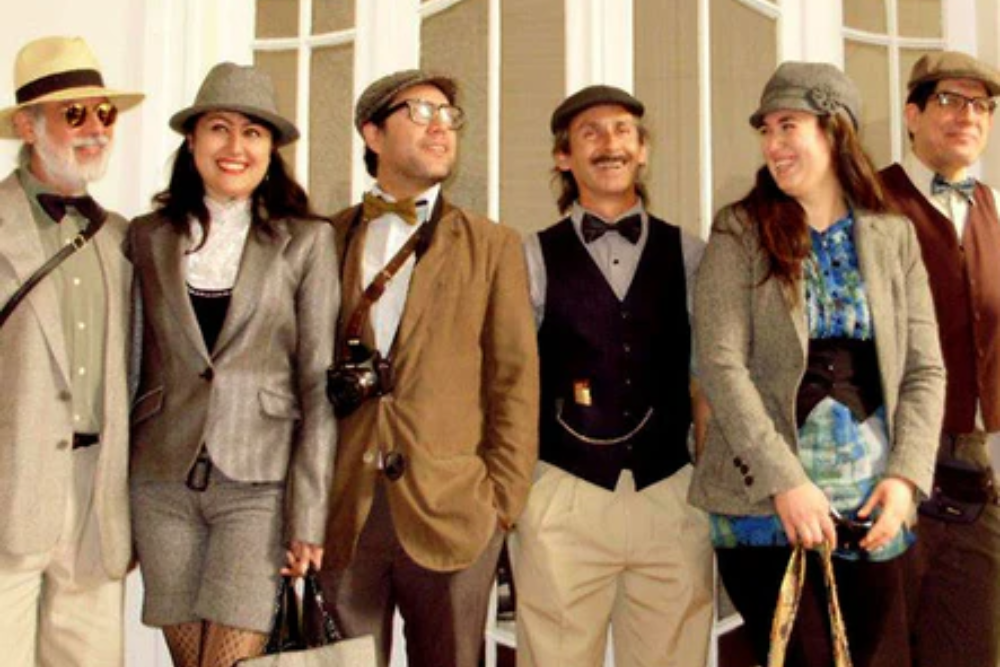
Personality dressing requires experimentation. Try on styles that don’t fit into neat categories. Mix eras, price points, and aesthetics. Some of your best pieces might be thrifted items that wouldn’t normally appear in trendy posts but make you feel authentically yourself.
4. Prioritize Fit and Quality
Poorly fitting clothes undermine authenticity, regardless of how trendy they are. Invest in tailoring and quality construction. A perfectly fitted vintage blouse in an unexpected color will always look more intentional than an on-trend piece that doesn’t fit your body properly.
5. Limit Your Social Media Consumption
The algorithm actively works against personality dressing by promoting uniform aesthetics. Reduce exposure to curated fashion content and instead draw inspiration from real life. Notice what people you admire actually wear, not what they post about wearing.
6. Build Slowly and Intentionally
Resist the urge to complete an aesthetic in one shopping spree. Develop your wardrobe gradually, taking time to understand what you genuinely love versus what you think you should love.
The Business Model Behind Uniform Maximalism
It’s important to recognize that uniform maximalism isn’t accidental—it’s a profitable business model. Fashion retailers and social media platforms benefit when large audiences adopt identical aesthetics because it’s easier to market and predict consumer behavior. Understanding this dynamic helps you resist the pressure to conform.
When you develop a truly personal style, you’re not just making fashion choices; you’re actively resisting algorithmic manipulation and commercialized self-expression.
Conclusion: Reclaiming Authentic Style
The tension between personality dressing and uniform maximalism reflects broader questions about authenticity in the digital age. While trendy aesthetics have made fashion more accessible, they’ve also created pressure to perform identity rather than express it.
Personality dressing offers an alternative: a slower, more intentional approach to fashion that prioritizes genuine self-expression over external validation. It requires more thought, more experimentation, and more courage to wear something that doesn’t fit neatly into recognizable categories.
But the result is worth it—a wardrobe that feels authentically yours, that serves your life, and that expresses your actual personality rather than a curated version manufactured for social media consumption. In rejecting cookie-cutter aesthetics, you’re not just making better fashion choices; you’re reclaiming fashion as a genuine form of self-expression.