Gender-Fluid Fashion: Redefining Style Boundaries
Fashion has always been a powerful form of self-expression, but in recent years, it has undergone a remarkable transformation. The rise of gender-fluid fashion represents one of the most significant shifts in how we approach clothing and personal style. Rather than adhering to traditional masculine or feminine aesthetics, designers and fashion enthusiasts are embracing unstructured silhouettes and fluid knits that allow individuals to express themselves authentically, regardless of gender identity.
This movement toward gender-neutral fashion isn’t merely a fleeting trend—it’s a fundamental reimagining of how clothing should function in contemporary society. From high-fashion runways to bustling city streets, we’re witnessing a cultural moment where comfort, individual expression, and inclusivity take precedence over outdated binary fashion rules.
Understanding Gender-Fluid Fashion
Gender-fluid fashion refers to clothing that transcends traditional gendered conventions. Rather than clothing designed specifically for men or women, gender-fluid pieces are crafted to be versatile, inclusive, and adaptable to different body types and personal styles. This approach challenges the long-standing industry practice of designing separate collections for men and women.
The beauty of gender-fluid fashion lies in its fundamental philosophy: clothing should empower everyone to feel confident and comfortable. Unstructured silhouettes play a crucial role in this movement. By eliminating rigid tailoring, darts, and form-fitting elements, designers create garments that don’t demand a specific body shape or presentation.
Fluid knits—oversized sweaters, relaxed-fit cardigans, and comfortable knitwear—have become the cornerstone of this aesthetic. These pieces drape naturally over the body without clinging or constraining, allowing wearers to move freely and feel at ease while maintaining a polished, intentional appearance.
The Rise of Unstructured Silhouettes in Mainstream Fashion
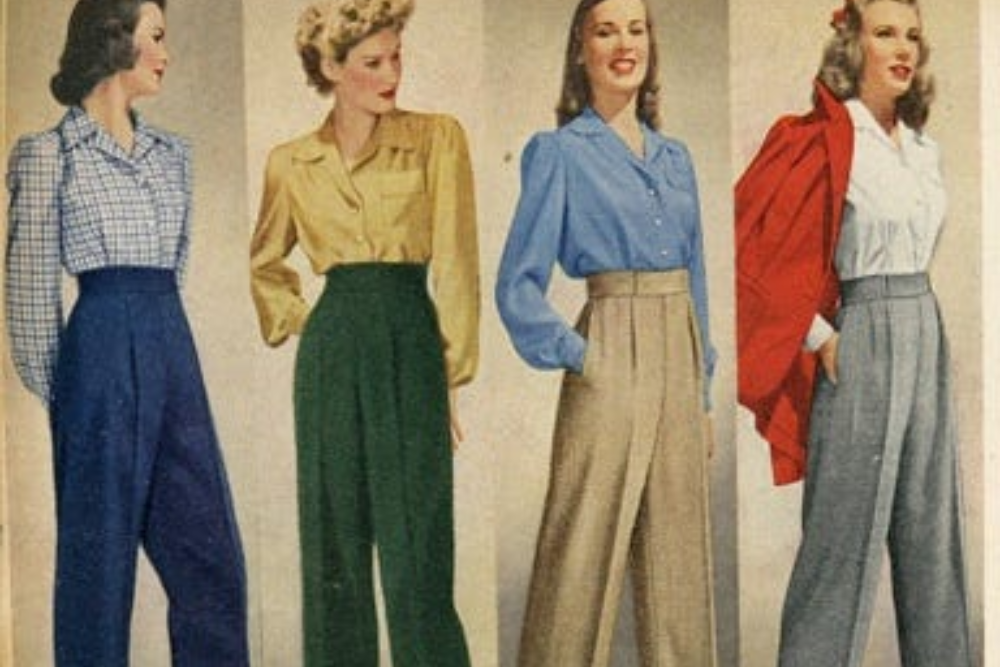
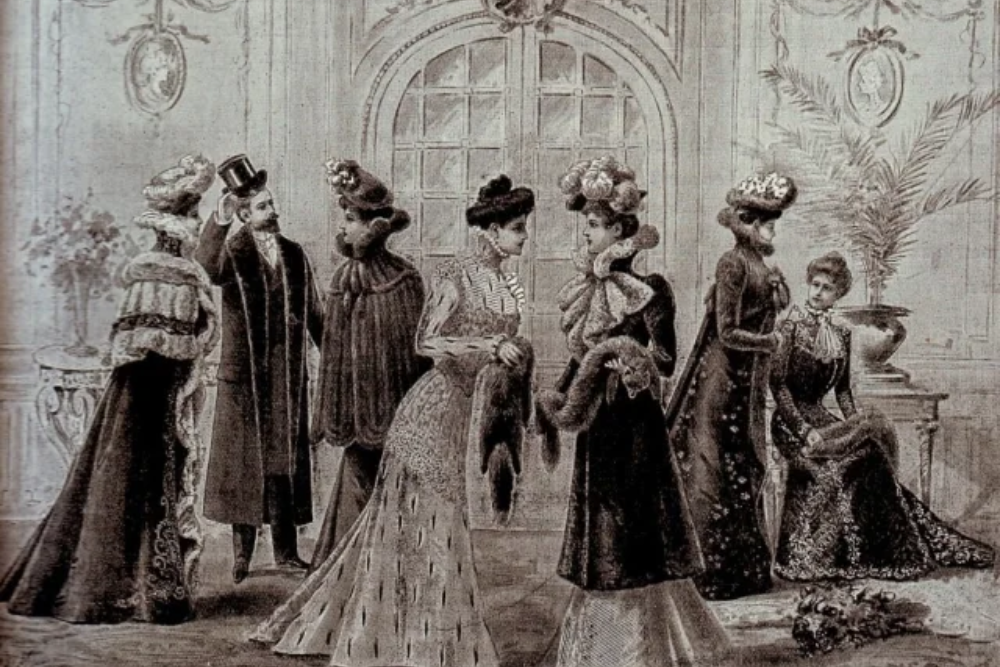
For decades, fashion has been built on structure. Women’s clothing featured darts, boning, and fitted seams designed to emphasize curves, while men’s wear prioritized sharp tailoring and defined shoulders. Gender-fluid fashion dismantles this binary approach, replacing structured design with relaxed, flowing silhouettes that work universally.
Unstructured silhouettes include oversized blazers with soft shoulders, straight-leg trousers that skim the body without clinging, boxy t-shirts, and kimono-style tops. These pieces create an androgynous aesthetic that appeals to fashion-conscious individuals across the gender spectrum. The appeal is twofold: practical comfort and visual modernism.
What makes this trend’s mainstream acceptance particularly significant is its presence in accessible fashion. Major retailers and luxury brands alike have begun incorporating unstructured designs into their core collections. High-street brands now regularly offer oversized basics, while luxury designers present entire collections built around fluid silhouettes, legitimizing this approach as serious fashion rather than a niche market.
Fluid Knits: The Fabric of Change
Knit fabrics have become central to the gender-fluid fashion movement. Unlike woven materials, knits possess inherent stretch and natural drape that works beautifully in relaxed silhouettes. A well-designed knit sweater can flatter any body type while maintaining an effortlessly cool aesthetic.
Contemporary knit designs emphasize comfort without sacrificing style. Oversized cardigans with dropped armholes, elongated sweaters that function as mini-dresses, chunky-knit sweatshirts, and fitted turtlenecks all fall within this category. These pieces transition seamlessly across seasons and can be styled countless ways, making them invaluable in a versatile wardrobe.
The popularity of fluid knits also reflects broader lifestyle changes. As remote work became more prevalent and casual dress codes gained acceptance, clothing comfort moved to the forefront of consumer priorities. Fluid knits satisfy this demand without compromising aesthetics—they’re comfortable enough for home wear yet polished enough for public appearances.
How to Style Gender-Fluid Fashion
Embracing gender-fluid fashion doesn’t require a complete wardrobe overhaul. Instead, it’s about thoughtfully incorporating versatile pieces that work across various outfits and occasions. Here are key styling principles:
Layer Strategically: Oversized sweaters and cardigans work beautifully as layering pieces. Pair a fluid knit with fitted basics underneath to create dimension and visual interest. This approach also allows wearers to adjust their presentation throughout the day.
Mix Textures and Proportions: Balance oversized tops with more fitted bottoms, or vice versa. An oversized sweater looks intentional with straight-leg trousers, while an oversized shirt can be styled with fitted bike shorts or leggings. This mixing prevents an unintentionally sloppy appearance.
Accessorize Intentionally: Accessories become more important when wearing relaxed silhouettes. Structured bags, bold jewelry, and statement shoes ground oversized clothing and create visual balance.
Experiment with Proportions: Don’t assume oversized always means comfort-casual. An oversized designer knit paired with tailored trousers and refined accessories creates an entirely different vibe than the same piece styled with joggers and sneakers.
Play with Neutrals and Bold Colors: Fluid silhouettes in neutral tones create a modern, sophisticated look. However, don’t fear experimenting with rich colors or subtle patterns—these often appear more striking on relaxed garments than on structured pieces.
Brands Leading the Gender-Fluid Movement
Several brands have emerged as leaders in gender-fluid fashion. Some designers have made unisex or gender-neutral collections their entire brand philosophy, while others have introduced separate gender-neutral lines alongside traditional offerings.
Luxury brands like Stella McCartney, Common Projects, and Rad Hourani champion genderless design through innovative silhouettes and inclusive sizing. Contemporary brands such as Pangaia, Everlane, and Raf Simons emphasize minimalism and versatility, creating pieces that inherently work across gender presentations.
Emerging designers and independent brands are particularly innovative in this space, often featuring gender-neutral sizing, inclusive imagery, and explicit anti-binary messaging. These brands recognize that consumers—particularly younger demographics—increasingly seek fashion that aligns with their values of inclusivity and self-expression.
Street Style Impact and Cultural Significance
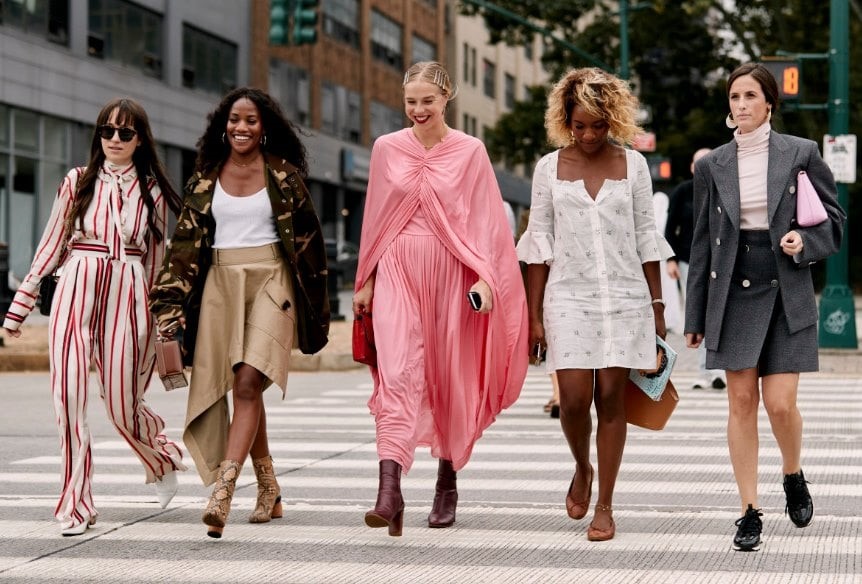
The presence of gender-fluid fashion on mainstream streets represents genuine cultural progress. What once required deliberate effort to construct—mixing traditionally masculine and feminine elements—now appears naturally in everyday street style.
This visibility matters significantly. When young people see diverse individuals confidently wearing unstructured garments in gender-unexpected ways, it normalizes self-expression beyond binary constraints. Street style photographers regularly feature people in oversized silhouettes and fluid knits, cementing this aesthetic as not just acceptable but actively fashionable.
The movement has also influenced how people discuss fashion. Industry conversations now include terms like “genderless,” “androgynous,” and “fluid”—language that acknowledges gender’s complex relationship with clothing. Fashion journalism increasingly covers non-binary and gender-fluid perspectives, amplifying diverse voices in an industry historically dominated by narrow aesthetics.
The Practical Benefits Beyond Ideology
While gender-fluid fashion carries important cultural significance, its mainstream adoption also reflects practical advantages. Unstructured garments offer:
Versatility: A single piece can be styled numerous ways, maximizing wardrobe functionality while minimizing consumption.
Inclusivity in Sizing: Relaxed silhouettes work across diverse body types without specialized sizing, making fashion more accessible economically and physically.
Comfort: As society increasingly rejects uncomfortable fashion standards, comfortable, well-designed clothing appeals to broader audiences.
Sustainability: Versatile basics that transcend trends create longer-lasting wardrobes, supporting more sustainable consumption patterns.
Looking Forward: The Future of Gender-Fluid Fashion
The gender-fluid fashion movement shows no signs of slowing. As younger consumers prioritize authenticity and inclusivity, brands will continue developing innovative approaches to genderless design. We can expect to see further integration of gender-neutral options at every price point, more fashion publications featuring diverse gender expressions, and continued evolution of silhouettes that challenge traditional conventions.
Additionally, the movement may influence sizing systems, as brands recognize that gender-neutral pieces require different proportional thinking than traditionally gendered designs. This could ultimately lead to more intuitive, body-type-based sizing rather than gender-based categories.
Conclusion
Gender-fluid fashion with unstructured silhouettes and fluid knits represents more than aesthetic trends—they embody a cultural shift toward inclusivity, authenticity, and individual expression. By moving beyond rigid gender conventions, contemporary fashion allows people to dress according to their personal identity and preferences rather than prescribed rules.
Whether you’re actively engaging with gender-fluid fashion or simply incorporating relaxed silhouettes into your wardrobe, you’re participating in this meaningful cultural moment. As unstructured designs continue dominating mainstream street style, they send a powerful message: fashion should serve everyone, and style knows no gender.