Cape Dressing & Dramatic Overlays: The Art of Theatrical Fluid Layering in Modern Fashion
Fashion has always been a form of self-expression, but few garments command attention quite like a well-placed cape or dramatic overlay. The resurgence of cape dressing in contemporary fashion represents more than a nostalgic nod to superhero aesthetics or Victorian elegance—it’s a bold statement about how we layer, move, and present ourselves in an increasingly complex world. When combined with theatrical elements and fluid layering techniques, capes transcend their traditional boundaries, transforming everything from casual streetwear to sophisticated evening wear into wearable art.
The Evolution of Cape Fashion: From Superhero Symbolism to High Fashion Staple
The cape has experienced a fascinating journey through fashion history. Once reserved for formal occasions, military dress, and theatrical productions, the cape has been reimagined by contemporary designers as a versatile layering piece. What makes modern cape dressing revolutionary is its democratization—no longer exclusive to red-carpet events or historical reenactments, capes now appear in streetwear collections, athleisure lines, and avant-garde fashion houses.
Designers like Rick Owens, Yohji Yamamoto, and emerging fashion brands have championed the dramatic overlay movement, proving that capes are far more than nostalgic references. They’ve become essential tools for creating volume, movement, and visual drama without adding bulk. The fluid nature of cape fabric—whether silk, wool blends, or innovative synthetics—allows for a weightlessness that traditional jackets simply cannot achieve.
Understanding Theatrical Fluid Layering
Theatrical fluid layering is the practice of combining garments in ways that create visual depth and movement while maintaining silhouette harmony. When applied to cape dressing, this technique transforms how fabrics interact and how the body is perceived beneath layers.
Key Elements of Theatrical Layering:
Fabric Weight Distribution: The success of dramatic overlays depends on strategic fabric layering. Lighter capes float over fitted pieces, creating an ethereal quality. Conversely, heavier cloaks anchor themselves over flowing garments, adding gravitas and structure. Understanding how different weights interact is crucial for avoiding a costume-like appearance and achieving sophisticated layering.
Length and Proportions: Theatrical pieces work best when proportions are intentional. A floor-length cape demands a specific foundation—either streamlined silhouettes or voluminous base pieces that create interesting negative space. Shorter capes, often cropped at the knee or hips, pair beautifully with fitted bottoms and create geometric interest.
Negative Space: The most dramatic overlays create visual breathing room. Slits, asymmetrical cuts, and semi-transparent fabrics allow underlying garments to peek through, adding dimension and preventing overwhelming visual bulk.
Cape Dressing for Streetwear: Casual Drama
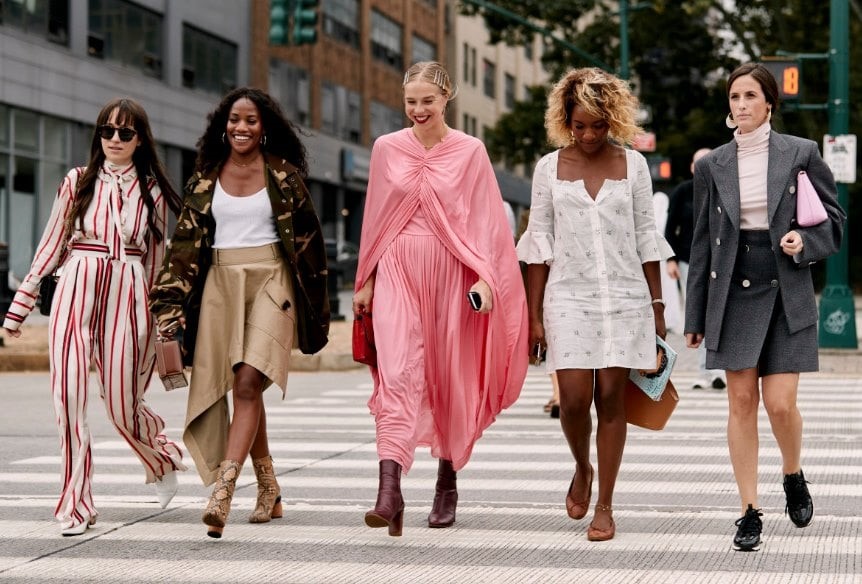
One of the most exciting developments in contemporary fashion is cape integration into everyday streetwear. This transition challenges the notion that dramatic fashion is impractical or reserved for special occasions.
Styling Streetwear with Capes:
For casual settings, oversized capes in neutral tones—black, camel, gray, and navy—provide architectural interest without overpowering the look. Pair a wool cape with fitted black jeans and combat boots for an effortlessly edgy aesthetic. The cape’s movement compensates for the fitted lower half, creating visual balance and suggesting motion even while stationary.
Shorter capes, particularly those with clean, tailored cuts, work beautifully over hoodies, basic tees, and streetwear staples. A cropped cape in olive or burgundy worn over a white oversized t-shirt and wide-leg trousers creates sophisticated casual wear that nods to theatrical principles while remaining grounded in accessibility.
For maximalist streetwear enthusiasts, patterned capes add personality and artistic flair. Geometric prints, abstract designs, and bold color combinations transform basic foundations into statement-making ensembles. The key is ensuring that both the cape and base pieces have equal visual weight, preventing the outfit from reading as costume-like.
Evening Wear Elegance: Theatrical Sophistication
While capes have become increasingly casual, they remain unmatched for creating evening-wear drama. The theatrical overlay approach to formal dressing elevates traditional black-tie conventions into something more avant-garde and memorable.
Dramatic Evening Cape Styling:
Floor-length silk capes in jewel tones—emerald, sapphire, and deep plum—create instant impact over minimal slip dresses or tailored gowns. The cape’s movement becomes part of the garment’s narrative, suggesting elegance and confidence with every gesture. Asymmetrical cuts amplify this effect, allowing the cape to reveal unexpected angles and creating a more dynamic silhouette than traditional wraps or shawls.
For maximum theatrical impact, consider capes with interior linings in contrasting colors or patterns. A black silk exterior with a jewel-toned or metallic lining creates a flash of surprise when the wearer moves, adding layers of visual interest beyond the obvious garment. This detail-oriented approach honors theatrical costume design while remaining sophisticated.
Sheer overlay capes in tulle, organza, or layered chiffon add ethereal femininity to structured gowns. These lightweight options create volume and movement without the heaviness of traditional fabric, perfect for dramatic evening events where ease of movement is essential.
Fabric Innovation and Material Selection
The dramatic overlay trend has inspired fabric innovation, with designers and manufacturers creating textiles specifically designed for cape applications. Modern capes utilize performance fabrics that resist wrinkling, repel water, and maintain their structure throughout the day—addressing practical concerns that might otherwise limit wearability.
Sustainable materials have also entered the cape conversation, with designers employing recycled synthetics, innovative plant-based fabrics, and responsible wool sources. These materials allow for theatrical layering without compromising environmental consciousness, appealing to the growing segment of fashion-conscious consumers demanding ethical options.
Accessorizing the Theatrical Silhouette
When wearing dramatic capes and overlays, accessory choices become more important than ever. The right pieces enhance the theatrical aesthetic, while poor choices can undermine the carefully constructed silhouette.
Minimalist accessories work best with bold capes—let the dramatic garment command attention rather than competing with multiple statement pieces. A single structured bag, elegant footwear, and minimal jewelry create harmony. Conversely, when wearing more understated capes over neutral bases, accessories offer opportunities to inject personality and complete the narrative.
For streetwear cape styling, chunky boots, structured handbags, and layered jewelry echo the dramatic sensibility. For evening wear, the cape itself serves as the primary statement; refined accessories—delicate jewelry, elegant heels, minimal clutches—amplify rather than distract from this centerpiece.
Seasonal Variations and Cape Construction
Successful cape dressing adapts to seasonal requirements. Summer capes demand lightweight, breathable fabrics—linen blends, cotton, and gauzy materials—that provide visual drama without thermal burden. Winter capes can embrace heavier wools, felted materials, and structured cuts that provide both drama and functional warmth.
Construction details significantly impact wearability across seasons. Lined capes suit cooler months, while unlined or partially lined versions work better for spring and autumn. Shoulder seaming, armhole depth, and fastening mechanisms all influence how a cape functions practically while maintaining theatrical aesthetics.
The Psychology of Theatrical Dressing
Wearing dramatic overlays and capes isn’t merely a fashion choice—it’s a psychological statement. Research in fashion psychology suggests that theatrical dressing increases confidence and influences how others perceive us. Capes, in particular, seem to activate narratives of power and capability in the wearer’s mind.
This psychological dimension explains the broad appeal of cape dressing across demographics. Whether worn by corporate professionals seeking to stand out during presentations or creative individuals expressing artistic identity, capes offer a non-verbal language of confidence and intention.
Conclusion: Embracing Theatrical Fashion in Daily Life
Cape dressing and dramatic overlays represent a significant shift in contemporary fashion—the celebration of theatrical elements as legitimate components of everyday style. By understanding fluid layering principles, fabric interactions, and proportional balance, anyone can incorporate these dramatic pieces into their wardrobe, whether exploring casual streetwear or sophisticated evening wear.
The beauty of this trend lies in its accessibility and versatility. A single cape can transform multiple outfits, creating endless styling possibilities while establishing a distinctive personal aesthetic. As fashion continues embracing individuality and self-expression, dramatic overlays and theatrical layering offer the perfect vehicle for those seeking to make bold, beautiful statements with their clothing.
Whether you’re drawn to the subtle drama of a cropped cape over streetwear or the sweeping elegance of floor-length evening overlays, theatrical dressing invites you to see fashion as a form of wearable art—where every layer, every movement, and every silhouette tells a story.