Dopamine Yellows: The Psychology and Fashion of Vibrant Yellow Hues
Yellow has long been associated with happiness, optimism, and energy. However, in recent years, the fashion and design world has embraced a new concept that takes this cheerful color to the next level: dopamine yellows. This trend represents a spectrum of yellow shades, transitioning from soft, buttery tones to bold, vibrant lemon and sunshine hues that are scientifically linked to mood enhancement and positive psychological responses.
Understanding Dopamine and Color Psychology
Dopamine is a neurotransmitter in the brain responsible for regulating pleasure, motivation, and emotional responses. The dopamine dressing trend, which gained significant traction during the pandemic, focuses on selecting clothing and environmental colors that stimulate dopamine production, thereby improving mood and overall well-being.
Yellow, in particular, activates the brain’s pleasure centers. Studies have shown that exposure to bright, warm colors like yellow can increase serotonin levels, reduce anxiety, and promote feelings of happiness. The “dopamine yellows” trend takes this concept further by offering a carefully curated palette of yellow shades designed to maximize these positive psychological effects.
The Spectrum of Dopamine Yellows
Soft Butter Yellow: The Foundation
At the gentle end of the dopamine yellow spectrum lies butter yellow. This soft, creamy shade maintains yellow’s inherent warmth while offering a more subdued, approachable aesthetic. Butter yellow serves as the entry point for those hesitant about embracing brighter colors. It’s sophisticated enough for professional settings yet warm enough to evoke comfort and positivity.
Butter yellow works beautifully in interior design, from accent walls to upholstered furniture. In fashion, it appears in knitwear, silk blouses, and lightweight sweaters—pieces that feel nurturing and optimistic without overwhelming the senses. This shade pairs exceptionally well with neutral tones like cream, beige, and soft grays, making it versatile for various design schemes.
Mustard and Golden Yellow: The Middle Ground
Moving along the spectrum, mustard and golden yellows represent a balanced middle ground. These earthy-toned yellows carry more visual impact than butter yellow while remaining grounded and wearable. Mustard yellow, with its slightly muted undertones, has become a staple in contemporary fashion, appearing in everything from tailored blazers to denim jackets.
Golden yellows—reminiscent of honey and autumn leaves—offer warmth and richness. These shades are particularly effective in creating focal points in interior spaces. A golden yellow accent chair or a gallery wall painted in this tone can dramatically transform a room’s energy without the intensity of pure, bright yellow.
Lemon and Sunshine Yellow: Peak Vibrancy
At the vibrant end of the dopamine yellow spectrum, lemon and sunshine yellows deliver maximum impact. These are the colors that truly trigger strong emotional responses and dopamine release. Lemon yellow—bright, crisp, and energetic—makes a bold statement whether worn as a dress or painted on interior walls. Sunshine yellow, warmer and more saturated, evokes feelings of joy and optimism instantly.
These vibrant yellows are perfect for those ready to fully commit to the dopamine dressing philosophy. They demand confidence but reward it with undeniable mood-boosting benefits. A lemon yellow coat becomes a statement piece that lifts your spirits before you even leave the house. In home design, sunshine yellow can energize kitchens, home offices, or creative spaces.
Dopamine Yellows in Fashion
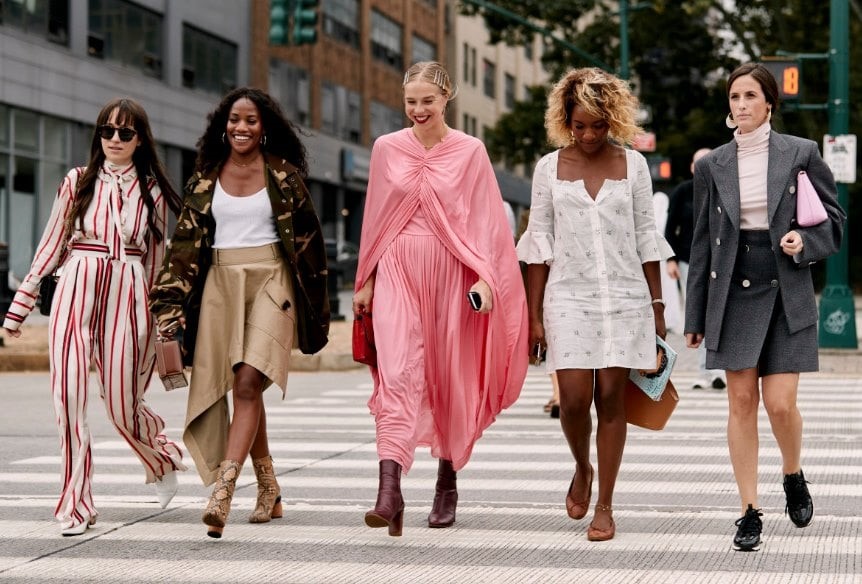
The fashion industry has enthusiastically embraced dopamine yellows across all seasons and styles. Luxury brands have incorporated these shades into capsule collections, recognizing both their psychological benefits and aesthetic appeal. From runway shows to street style, yellow has transitioned from an occasional accent to a legitimate wardrobe essential.
For a more conservative approach, fashion enthusiasts can incorporate softer butter yellows through accessories—scarves, bags, or shoes. These pieces add cheerfulness without the commitment of a full yellow garment. Moving toward bolder choices, a lemon yellow sweater or mustard yellow trousers creates striking ensembles that feel both intentional and mood-boosting.
The beauty of dopamine yellows in fashion lies in their versatility. Soft butter yellows work beautifully in romantic, feminine silhouettes. Golden and mustard yellows suit vintage-inspired and utilitarian styles. Bright lemon and sunshine yellows shine in contemporary, minimalist pieces. Regardless of personal style, there’s a dopamine yellow shade for everyone.
Incorporating Dopamine Yellows into Interior Design
Interior designers have recognized that dopamine yellows can transform living spaces into mood-enhancing environments. The key is selecting the right shade for the specific room and desired effect.
Living Rooms and Social Spaces: Golden and mustard yellows create warm, inviting atmospheres perfect for gathering spaces. These shades encourage conversation and socialization while maintaining sophistication.
Kitchens and Dining Areas: Sunshine and bright lemon yellows energize these functional spaces. Yellow in kitchens has a long design history—it’s cheerful, practical, and psychologically stimulates appetite and conversation.
Home Offices and Creative Spaces: Vibrant dopamine yellows enhance focus and creativity. Bright yellow stimulates mental activity, making it ideal for spaces where productivity and innovation matter.
Bedrooms: Softer butter and light golden yellows create calming yet optimistic bedroom environments. These gentler shades provide mood-boosting benefits without overstimulation.
Styling Tips for Dopamine Yellows
Color Pairing: Dopamine yellows pair excellently with neutrals like white, cream, beige, and gray. They also complement cool tones like soft blues and gentle purples, creating dynamic yet harmonious combinations. For a bold look, pair vibrant yellows with deep navy or forest green.
Proportion and Balance: In fashion, balance is key. A statement yellow piece works best when paired with neutral basics. In interior design, consider the 60-30-10 rule: 60% neutral base, 30% secondary color, and 10% accent color like dopamine yellow.
Lighting Considerations: Yellow’s appearance changes dramatically under different lighting. Natural daylight brings out clean, true yellow tones, while warm artificial lighting can intensify or mute shades. Test paint samples and fabric swatches under your actual lighting conditions before committing.
Seasonal Approach: Lighter butter yellows suit spring and summer, while mustard and golden yellows transition beautifully into fall and winter. However, bright dopamine yellows work year-round, offering psychological warmth during darker months.
The Science Behind the Trend
Research in color psychology consistently demonstrates that yellow exposure correlates with increased happiness and optimism. During challenging times, the dopamine yellow trend emerged as a wellness strategy—a way to intentionally curate environments that support mental health. This isn’t mere fashion frivolity; it’s evidence-based design applied to everyday life.
The trend acknowledges that our surroundings profoundly influence our psychological states. By deliberately choosing dopamine yellows, individuals take active control over their emotional environments, promoting sustained well-being through color choices.
Who Should Embrace Dopamine Yellows?
While the trend’s psychological benefits are universal, personal preference and undertone compatibility matter. Those with warm skin undertones often find golden and buttery yellows most flattering. Cool undertones can wear lemon and sunshine yellows beautifully, especially paired with cool-toned neutrals and accessories.
There’s no requirement to embrace the brightest, most vibrant shade. Someone may find genuine mood-boosting benefits from a soft butter yellow cardigans and still fully participate in the dopamine yellow movement.
Conclusion
Dopamine yellows represent more than a fleeting color trend—they embody a meaningful shift toward intentional, psychology-informed design choices. From soft butter yellows that gently warm spaces and wardrobes to vibrant sunshine hues that deliver instant mood elevation, this spectrum of yellow offers something for everyone.
Whether you’re completely redecorating your home, refreshing your wardrobe, or simply adding a small yellow accent piece, engaging with dopamine yellows is an accessible way to support your mental health and embrace positivity. The science is clear: yellow makes us happier. So why not lean into it? Your mood will thank you.