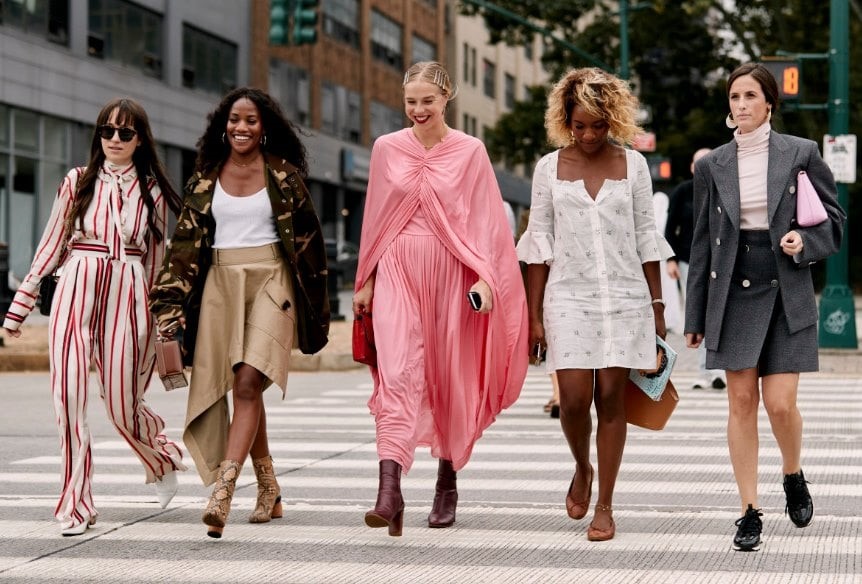
Pre-Draped Heritage: The Modern Solution to Traditional Wear
In today’s fast-paced world, maintaining cultural traditions while managing hectic schedules has become increasingly challenging. The emergence of pre-draped heritage garments represents a revolutionary approach to bridging this gap. These innovative hybrid pieces combine the elegance and cultural significance of traditional wear with the convenience and practicality demanded by contemporary lifestyles.
Understanding Pre-Draped Heritage Garments
Pre-draped heritage wear refers to traditional garments that have been engineered for quick and effortless wearing. Unlike conventional pieces requiring expertise and time to arrange, these garments come with built-in pleats, hidden fasteners, and pre-structured draping. The most popular example is the pre-draped saree, which combines the timeless appeal of a traditional saree with the simplicity of modern clothing.
The concept extends beyond sarees to include pre-draped lehengas, pre-structured dupattas with magnetic closures, and slip-on kurtas with integrated elements of traditional design. Each variation maintains cultural authenticity while dramatically reducing preparation time, making them ideal for professionals, students, and busy homemakers alike.
The Rise of Pre-Draped Sarees with Belts
The pre-draped saree with a belt system stands as one of the most ingenious innovations in heritage fashion. This hybrid garment features a ready-to-wear design where the saree portion is already pleated and shaped, requiring only to be secured around the waist with a decorative belt rather than the traditional safety pins and knot-tying process.
Key advantages of pre-draped sarees include:
- Time Efficiency: What traditionally takes 10-15 minutes to drape can now be accomplished in under two minutes, making it perfect for quick dressing before office or events.
- Consistency: Every wear offers identical pleats and draping, ensuring a polished appearance without variation.
- Stability: The integrated design prevents slipping or unwinding throughout the day, a common concern with traditional sarees.
- Accessibility: These garments eliminate the need for specialized knowledge or assistance, empowering individuals to dress independently.
Slip-On Heritage Wear: Redefining Traditional Fashion
Slip-on heritage garments represent another significant advancement in traditional wear innovation. These pieces feature elastic waistbands, concealed closures, and pre-fitted silhouettes that allow wearers to put them on as easily as wearing a dress or tunic.
Popular slip-on heritage options include:
Slip-On Lehengas: Combining the festive appeal of traditional lehengas with elastic or drawstring waistbands, these pieces offer comfort without compromising on aesthetics. The skirt portion maintains traditional embroidery and embellishments while providing flexibility in fit.
Magnetic Closure Dupattas: Modern dupattas now feature magnetic fasteners at the ends, allowing them to be secured around the shoulders without pins or tying. This innovation maintains the traditional draping aesthetic while eliminating common inconveniences.
Pre-Fitted Anarkalis: Contemporary Anarkali designs with hidden zippers and internal corset-like structures ensure perfect fitting without the traditional need for extensive tailoring or multiple adjustments.
The Technology Behind Pre-Draped Innovation
Creating effective pre-draped heritage garments requires sophisticated design engineering and quality fabric selection. Designers must choose materials that hold pleats while remaining comfortable and breathable. Advanced techniques include:
- Permanent pleating processes that withstand multiple washes without losing structure
- Hidden support systems using lightweight internal frames or elastic panels
- Strategic placement of magnetic closures and secure fastening mechanisms
- Fabric blends that balance durability with comfort and movement
- Ergonomic design principles to ensure natural body contouring
Benefits for Modern Lifestyles
Pre-draped heritage garments address specific challenges faced by contemporary individuals seeking to maintain cultural connections:
For Working Professionals: The ability to wear traditional attire for cultural events, religious ceremonies, or cultural celebrations without extensive preparation time makes heritage wear more accessible. Professionals can maintain cultural pride while respecting their time constraints.
For Parents: Busy parents can dress their children in traditional wear for festivals and celebrations without the stress of managing complicated draping or worrying about garments coming loose during play.
For Elderly Wearers: Pre-draped garments eliminate physical strain associated with traditional draping, making it easier for elderly individuals to continue wearing their preferred heritage clothing independently.
For Beginners: Those unfamiliar with traditional draping techniques can now enjoy authentic heritage fashion without requiring mentorship or instruction from experienced wearers.
Maintaining Authenticity While Embracing Innovation
A common concern regarding pre-draped heritage wear is whether modernization compromises cultural authenticity. Leading designers argue that the essence of traditional garments lies in their craftsmanship, aesthetics, and cultural significance rather than exclusively in the wearing process. By maintaining intricate embroidery, traditional patterns, quality fabrics, and cultural design elements while improving wearability, these garments honor heritage while adapting to contemporary needs.
Many families appreciate that pre-draped versions encourage younger generations to embrace traditional wear, fostering cultural continuity. When heritage clothing becomes accessible and practical, it naturally becomes more integrated into daily life and celebrations.
Market Growth and Availability
The pre-draped heritage market has experienced significant growth over the past decade. Major fashion brands now offer specialized collections, and e-commerce platforms dedicate entire categories to these hybrid garments. This expansion reflects genuine market demand and changing consumer preferences favoring convenience without sacrificing cultural expression.
Price points vary considerably, with options available across budget, mid-range, and luxury segments. This accessibility ensures that pre-draped heritage wear appeals to diverse economic backgrounds.
Styling Tips for Pre-Draped Heritage Wear
To maximize the aesthetic potential of pre-draped garments:
- Pair pre-draped sarees with statement jewelry to elevate the overall look
- Choose embellished belts that complement both the saree pattern and personal style
- Combine slip-on pieces with traditional accessories like bindis, bangles, and traditional footwear
- Layer pre-draped garments with modern pieces for fusion styling
- Experiment with different blouse styles to customize the traditional look
The Future of Heritage Fashion
As technology continues advancing, we can expect further innovations in pre-draped heritage wear. Potential developments include smart fabrics with temperature regulation, sustainable material options, and even more refined draping techniques. The intersection of tradition and innovation will likely continue evolving, offering enhanced options while respecting cultural roots.
Conclusion
Pre-draped heritage garments represent a thoughtful evolution in traditional fashion, demonstrating that cultural authenticity and modern convenience need not be mutually exclusive. These innovative hybrid pieces enable individuals to celebrate their heritage, participate in cultural events, and express identity without sacrificing practicality. Whether through pre-draped sarees with elegant belts, slip-on lehengas, or magnetic closure dupattas, contemporary heritage wear serves as a bridge connecting tradition with today’s dynamic lifestyles. As more people discover these time-saving alternatives, pre-draped garments will undoubtedly continue playing an increasingly important role in keeping cultural traditions vibrant and relevant for generations to come.