Chic Draping: Master the Art of Greek-Inspired Gathering and Asymmetrical Folds
Draping is one of the most timeless and elegant techniques in fashion, originating from ancient Greek and Roman civilizations where fabric manipulation defined luxury and elegance. Today, the art of chic draping, particularly Greek-inspired gathering and asymmetrical folds, remains a cornerstone of sophisticated fashion design. Whether you’re a fashion enthusiast, designer, or stylist, understanding these techniques can elevate your wardrobe and create stunning, flattering silhouettes.
The History and Philosophy of Greek Draping
Ancient Greek fashion was revolutionary in its approach to garment construction. Rather than relying on complex tailoring, Greek designers mastered the art of arranging fabric to create beauty and structure. The iconic chiton and himation garments demonstrated how strategic draping could define the body while maintaining an ethereal, elegant aesthetic.
Greek draping philosophy centered on several key principles: using gravity and fabric weight to create natural folds, understanding how different materials behave, and recognizing that asymmetry could be more visually interesting than perfect symmetry. These ancient principles remain profoundly relevant in contemporary fashion design.
Understanding Asymmetrical Folds
Asymmetrical draping creates visual interest and sophistication by intentionally breaking away from perfectly balanced designs. Rather than mirroring fabric arrangements on both sides of the body, asymmetrical folds feature:
Key Characteristics of Asymmetrical Draping
- One-Shoulder Designs: Fabric drapes across one shoulder while the other remains bare or features minimal coverage, creating a striking focal point
- Diagonal Lines: Folds run diagonally across the body, creating elongating effects and drawing the eye along flattering angles
- Uneven Hemlines: Lower on one side and higher on the other, adding movement and contemporary flair
- Side Gathering: Fabric pulls to one side, creating depth and dimension while cinching at strategic points
- Overlapping Layers: Multiple fabric layers drape at different lengths, creating visual complexity and sophistication
These techniques work particularly well because they create the illusion of height, define the waistline, and add an element of surprise to any outfit. The asymmetrical approach also tends to be more flattering for various body types, as it can be customized to emphasize or de-emphasize specific areas.
Gathering Techniques: Creating Elegant Volume
Gathering is the art of controlling fabric volume by bunching or pulling material to specific points. Greek-inspired gathering creates elegant, sophisticated volume rather than excessive bulk.
Essential Gathering Methods
Hip Gathering: One of the most flattering techniques, hip gathering pulls fabric toward the hip bone, creating definition at the waistline while allowing comfortable volume through the hips and thighs. This technique is perfect for draping skirts and dresses.
Waist Gathering: Fabric is carefully gathered at the waistline, allowing controlled draping below. This creates a defined silhouette while maintaining the fluid elegance of draped fabric.
Shoulder Gathering: Pulling fabric at the shoulder creates a soft, romantic effect while maintaining structure. This technique works beautifully with lightweight fabrics and creates movement with every step.
Multi-Point Gathering: More advanced draping involves gathering fabric at multiple points simultaneously, creating complex, dimensional silhouettes. This requires understanding how fabric weight and gravity interact across different gathering points.
Fabric Selection for Optimal Draping
Not all fabrics drape equally. Successful Greek-inspired draping requires thoughtful fabric selection:
Best Fabrics for Draping
Silk and Silk Blends: The gold standard for draping, silk naturally falls in beautiful folds due to its weight and fluidity. Charmeuse, crepe, and habotai silk all drape differently, offering various aesthetic possibilities.
Linen: Natural linen creates structured yet graceful folds, perfect for achieving the authentic Greek aesthetic. Its slight texture adds visual interest.
Jersey Knits: Stretchy jersey fabrics cling to the body while draping elegantly, offering comfort and flexibility for complex gathering techniques.
Chiffon: Ethereal and lightweight, chiffon creates soft, romantic drapes, though it requires careful handling due to its transparency and delicate nature.
Crepe Fabrics: The slight texture of crepe helps folds hold their shape while maintaining an elegant appearance.
Avoid stiff, heavyweight fabrics with poor drape properties. The best draping fabrics have fluid weight distribution that works with gravity rather than against it.
Creating Greek-Inspired Draping: Step-by-Step Techniques
The One-Shoulder Drape
This classic Greek technique requires a rectangular piece of fabric. Place one corner at the center of the back neckline. Bring one end across the front of the body, over the opposite shoulder, and secure it. Allow the fabric to fall naturally, creating graceful folds. The securing point can be adjusted to create different effects—higher for more coverage, lower for a more dramatic drape.
The Diagonal Wrap
Start with fabric at one hip, wrap diagonally across the torso, and secure at the opposite shoulder. This creates elegant diagonal lines that elongate the body. The technique works beautifully for both dresses and tops, and the wrapping point can be adjusted for different neckline effects.
The Gathered Skirt
Create gathering at the hip by pinching fabric at specific points and securing with pins or stitches. The key is maintaining even, controlled gathers rather than random bunching. Work with gravity—allow fabric to fall naturally below the gathering point, creating elegant volume.
Layered Asymmetrical Hem
Drape multiple fabric layers at different lengths, creating an asymmetrical hemline. This technique adds sophistication and allows for creative play with color and texture combinations.
Styling Tips for Draped Garments
Once you’ve mastered the draping techniques, styling becomes crucial for maximum impact. Draped pieces typically work best with minimal additional embellishment, as the fabric itself serves as the focal point.
Accessories: Choose simple, elegant pieces that don’t compete with the draping. Thin belts can enhance gathered waistlines, while statement jewelry works beautifully with one-shoulder designs.
Footwear: Draping pairs beautifully with both heels and flat shoes. The choice depends on your desired effect—heels elongate the silhouette, while flats create a more relaxed, modern aesthetic.
Layering: Consider how draping interacts with layered pieces. A fitted jacket can provide structure beneath flowing drapes, while a light shawl can enhance the ethereal quality.
Common Draping Mistakes to Avoid
Understanding what not to do is as important as knowing proper technique. Avoid excessive gathering that creates bulk rather than elegance. Don’t use stiff fabrics that resist natural folds. Be careful not to over-secure gatherings—the beauty of draping lies in its fluid, slightly undone quality. Finally, ensure that gathering points are positioned strategically to flatter your body type rather than creating unflattering emphasis.
Modern Applications of Greek Draping
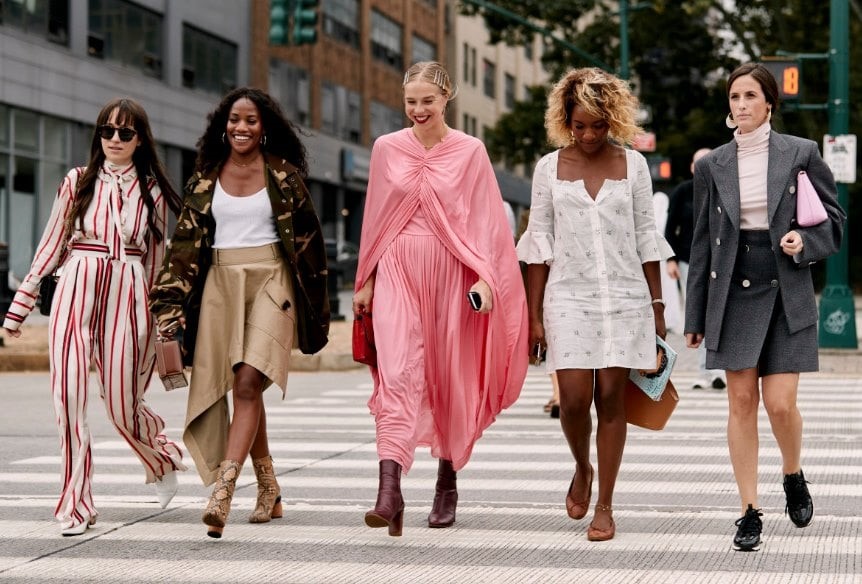
Contemporary fashion designers continue to reimagine Greek draping for modern contexts. High-fashion runways regularly feature sophisticated draping techniques that reference ancient aesthetics while feeling completely current. From evening wear to casual pieces, the principles of Greek-inspired draping remain incredibly versatile.
Conclusion
Chic draping, particularly Greek-inspired gathering and asymmetrical folds, represents the intersection of timeless elegance and creative expression. By understanding the principles of fabric behavior, mastering various gathering and draping techniques, and selecting appropriate materials, you can create stunning garments that flatter the body while exuding sophistication. Whether you’re designing garments, styling outfits, or simply looking to understand fashion history more deeply, the art of draping offers endless possibilities for creating beautiful, memorable pieces that stand the test of time. Start experimenting with these techniques, and discover how ancient wisdom can create contemporary elegance.