Cape Dressing & Dramatic Overlays: The Art of Theatrical Layering in Modern Fashion
Fashion has always been a form of self-expression, but few styling techniques command attention quite like cape dressing and dramatic overlays. This theatrical approach to layering has transcended its origins in haute couture and historical dress to become a defining trend in contemporary fashion. Whether you’re crafting an avant-garde evening look or elevating casual streetwear, understanding how to master dramatic overlays can transform your entire wardrobe aesthetic.
Understanding Cape Dressing: More Than a Costume Piece
Capes represent one of fashion’s most dramatic and versatile garments. Unlike traditional jackets or coats, capes create an entirely different silhouette—one that’s inherently theatrical and commanding. The beauty of cape dressing lies in its ability to instantly elevate any outfit while maintaining an air of mystery and sophistication.
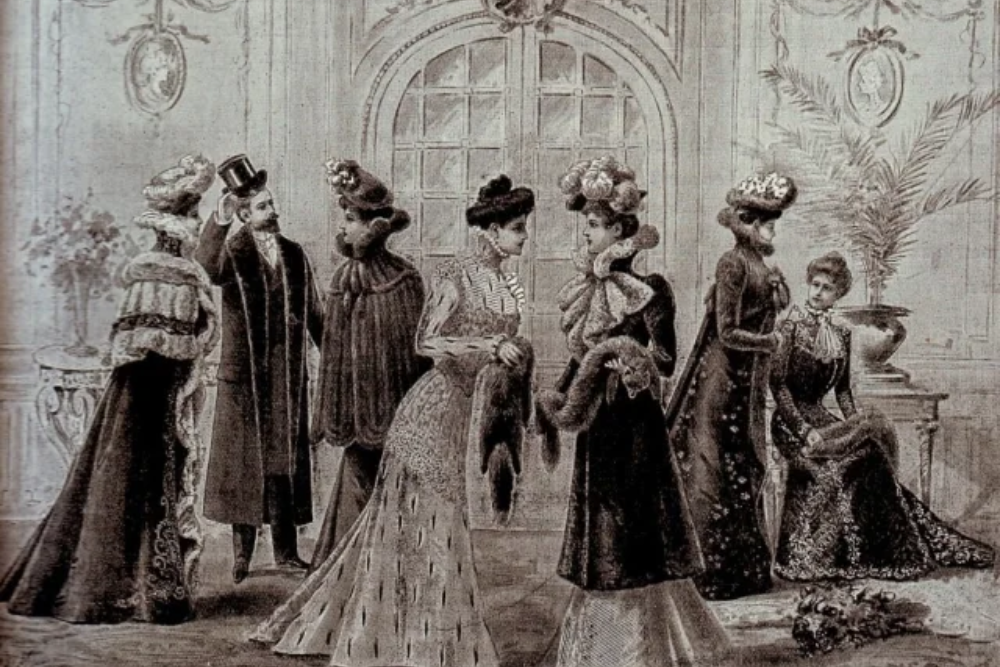
Modern cape dressing differs significantly from historical cape wearing. Contemporary capes feature innovative cuts, lightweight fabrics, and strategic proportions that make them wearable for everyday situations, not just formal occasions. A well-chosen cape can transform a simple t-shirt and jeans into a fashion statement worthy of a red carpet event.
The key to successful cape dressing is understanding proportion and movement. A floor-length dramatic cape paired with fitted clothing creates a stunning contrast. Conversely, a shorter, structured cape over relaxed streetwear creates an intriguing juxtaposition of casual and formal elements.
The Evolution of Theatrical Layering in Fashion
Theatrical layering draws inspiration from costume design, where garments are strategically placed to create visual drama and tell a story. This approach has influenced mainstream fashion significantly over the past decade. Designers like Givenchy, Valentino, and Rick Owens have championed dramatic overlays as essential components of contemporary wardrobe construction.
The evolution reflects a broader shift in fashion philosophy—away from minimalism and toward maximalist expression. Theatrical layering allows fashion enthusiasts to create narrative-driven looks that showcase personality and artistic vision. It’s about breaking conventional dressing rules and creating something entirely personal.
What makes theatrical layering particularly compelling is its accessibility. You don’t need expensive designer pieces to master this technique. Strategic use of affordable capes, kimonos, dusters, and oversized garments can achieve the same dramatic effect as high-fashion counterparts.
Streetwear Meets Theater: Casual Cape Application
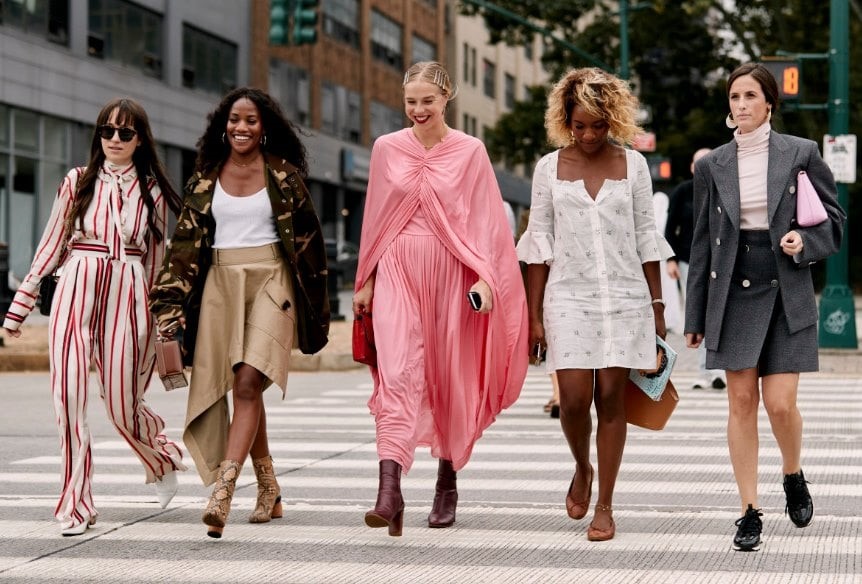
One of the most exciting developments in contemporary fashion is the integration of theatrical elements into streetwear. Capes and dramatic overlays have moved beyond evening wear into the realm of daily dressing, creating a new hybrid aesthetic that’s both approachable and avant-garde.
For streetwear applications, consider lightweight capes in denim, cotton, or linen. A denim cape layered over a basic white tee and black skinny jeans creates an instantly elevated casual look. The cape adds structure and visual interest without feeling overdressed or out of place in everyday settings.
Oversized kimonos and dusters function similarly to capes in streetwear styling. A sheer duster in neutral tones worn over fitted streetwear separates creates ethereal drama while maintaining the relaxed aesthetic streetwear demands. The key is choosing overlays that flow naturally and complement your base layers rather than overwhelming them.
Layering techniques matter significantly here. A dramatic overlay worn loosely over the shoulders creates a more accessible, contemporary look compared to a tightly fastened cape. This relaxed approach to theatrical dressing makes it suitable for various casual occasions—from casual outings to creative workplaces where personal style is celebrated.
Evening Wear: Mastering Dramatic Overlays
When it comes to evening wear, dramatic overlays reach their full potential. This is where cape dressing truly shines, creating showstopping silhouettes that command attention at formal events.
For evening applications, consider fabric weight and texture carefully. Luxurious materials like silk, satin, and velvet drape beautifully and photograph exceptionally well. A floor-length silk cape in jewel tones worn over an elegant slip dress creates a timeless, sophisticated aesthetic reminiscent of Old Hollywood glamour.
Asymmetrical capes offer another layer of sophistication. Rather than covering both shoulders equally, an asymmetrical cape draped across one shoulder creates an intriguing focal point and adds visual complexity. This technique is particularly effective with metallic or contrasting-colored fabrics.
Structured capes work differently than fluid ones. A tailored cape with defined shoulders and structured fabric creates a powerful, authoritative silhouette—perfect for making bold statements at formal events. This approach suits dramatic color choices like deep blacks, rich purples, or striking reds.
Fabric Selection: The Foundation of Successful Layering
The fabric you choose for your dramatic overlay fundamentally determines how successfully it integrates into your overall look. Different fabrics behave differently and suit different styling purposes.
Flowing fabrics like chiffon, organza, and lightweight silk create ethereal, romantic overlays perfect for soft, feminine styling. These materials move beautifully and create the classic theatrical effect most people envision when considering cape dressing. They’re ideal for evening wear and special occasions.
Structured fabrics including wool, cotton blends, and performance textiles offer more tailored, contemporary approaches. These work beautifully in both streetwear and elevated casual contexts. They maintain their shape and create clean silhouettes rather than flowing dramatically.
Sheer materials provide an entirely different dimension. A sheer overlay doesn’t hide what’s beneath—instead, it adds visual complexity and texture while maintaining the visibility of your base layer. This approach works exceptionally well for layering multiple prints or creating depth with monochromatic dressing.
Color and Pattern Strategy
Strategic color choices define successful cape dressing. A neutral cape serves as a versatile foundation piece that complements numerous outfits without requiring extensive coordination. Black, cream, navy, and gray capes function as wardrobe staples that elevate without demanding attention.
Conversely, statement-making capes in jewel tones, bold jewel tones, or dramatic patterns become the focal point of your ensemble. When using a dramatic cape, keep your base layers relatively simple to allow the overlay to command attention. A striking emerald silk cape paired with black separates creates compelling visual interest without becoming chaotic.
Pattern mixing represents an advanced technique in theatrical layering. A subtle patterned cape over a textured base layer creates sophisticated complexity. However, this requires careful consideration of color harmony and scale to avoid visual overload.
Styling Tips for Maximum Impact
Successfully incorporating dramatic overlays requires understanding how they interact with your overall silhouette. Length matters tremendously—a midi-length cape suits petite frames differently than floor-length versions suit taller individuals.
Consider proportions carefully. A voluminous cape pairs best with fitted separates underneath. Conversely, oversized base layers call for sleeker, more structured overlays. This interplay of proportion creates visual interest and maintains overall balance.
Footwear choices become increasingly important with theatrical dressing. A dramatic cape demands equally confident footwear choices. Pointed-toe heels, statement boots, or high-fashion sneakers all work depending on your overall aesthetic and occasion.
Accessorizing theatrical looks requires restraint. Your dramatic overlay likely provides sufficient visual interest. Choose complementary accessories that enhance rather than compete with your cape. Structured jewelry, understated handbags, and refined footwear typically work best.
Building Your Dramatic Overlay Wardrobe
Starting with dramatic overlays doesn’t require significant investment. Begin with versatile neutral capes in durable fabrics that work across multiple occasions. A well-constructed black wool cape and cream linen version provide foundational pieces suitable for countless combinations.
Gradually introduce statement pieces in colors and fabrics that reflect your personal aesthetic. A jewel-toned velvet cape, metallic overlay, or patterned duster adds dimension and allows creative expression once you’ve mastered basic cape styling.
Consider incorporating related theatrical pieces like oversized kimonos, long dusters, and structured vests. These items provide similar dramatic impact while offering flexibility in how you style and wear them.
Conclusion: Embracing Theatrical Fashion
Cape dressing and dramatic overlays represent more than a fleeting fashion trend. They embody a broader cultural movement toward expressive, individualistic dressing that celebrates creativity and personal style. Whether you’re elevating casual streetwear or creating showstopping evening looks, mastering theatrical layering techniques provides endless possibilities for fashion expression.
The beauty of this styling approach lies in its accessibility and versatility. From affordable high-street options to luxury designer pieces, dramatic overlays suit every budget and lifestyle. By understanding fabric properties, proportion, color theory, and styling principles, you can transform your wardrobe and express yourself through fashion in entirely new ways.
Start experimenting with capes and dramatic overlays today. You might discover that theatrical layering becomes your signature styling approach, forever elevating your fashion choices.