When it comes to global fashion, few events carry the legacy, prestige, and influence of Milan Fashion Week. Held in the fashion capital of Milan, this iconic event—part of the “Big Four” alongside Paris, London, and New York—has long been a celebration of craftsmanship, luxury, and timeless Italian style. But in 2026, Milan Fashion Week was more than just elegance on the runway; it marked a powerful shift in leadership, creativity, and the future direction of fashion itself.
The 2026 edition stood out for its wave of new creative directors taking charge of some of Italy’s most historic fashion houses. Major debuts brought fresh energy and new perspectives to brands that have defined luxury for decades. Designers like Demna at Gucci, Meryll Rogge at Marni, and Maria Grazia Chiuri at Fendi introduced bold visions that reimagined brand identities while still respecting their heritage. These leadership changes created a sense of excitement across the industry, proving that even the most established fashion houses are ready to evolve with the times.
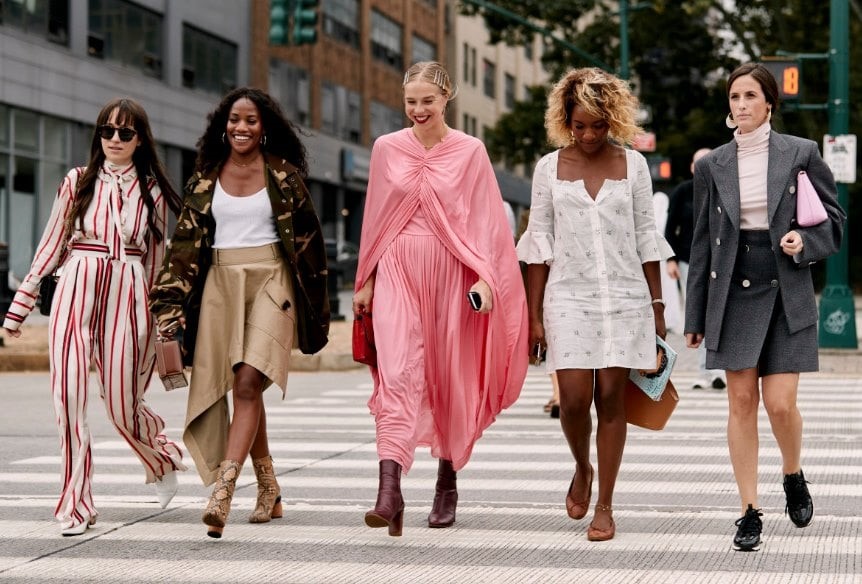
At the same time, the collections revealed a fascinating balance between innovation and restraint. While some designers experimented with bold silhouettes, textures, and dramatic storytelling, others leaned into what many called “quiet sophistication.” There was a noticeable focus on craftsmanship, precision, and wearable luxury—an intentional shift away from overly theatrical fashion toward pieces that feel timeless and refined. This reflects a broader change in consumer preferences, where quality and longevity are becoming just as important as visual impact.
Italian elegance remained at the heart of the event, but it was reinterpreted through a modern lens. Brands like Prada, Bottega Veneta, and Dolce & Gabbana showcased collections that blended tradition with contemporary ideas. For example, Dolce & Gabbana’s “Identity” collection embraced an all-black palette, using lace and tailoring to express both strength and intimacy, while other designers explored layered silhouettes, metallic textures, and bold accessories. These collections demonstrated that Italian fashion is not static—it continuously reinvents itself while staying rooted in its cultural heritage.
Another defining feature of Milan Fashion Week 2026 was the growing emphasis on inclusivity and new voices. Emerging designers gained international recognition, supported by mentorship programs and global platforms. At the same time, there was a noticeable rise in women leading major fashion houses, reflecting a broader shift toward diverse leadership in the industry. This change is not just symbolic—it is actively shaping the way collections are designed, presented, and understood by audiences worldwide.
Beyond the runway, Milan itself transformed into a vibrant cultural hub. From celebrity-filled front rows to city-wide events and collaborations, the atmosphere was electric. The announcement that Vogue World 2026 will be hosted in Milan further highlights the city’s growing influence as a global center of creativity, blending fashion with culture, technology, and storytelling.
Ultimately, Milan Fashion Week 2026 was not just about trends—it was about transition. It showcased a fashion industry at a crossroads, where heritage meets innovation, and where new leadership is redefining the rules of luxury. The event proved that while Italian elegance remains timeless, its future lies in bold ideas, fresh perspectives, and the courage to evolve.