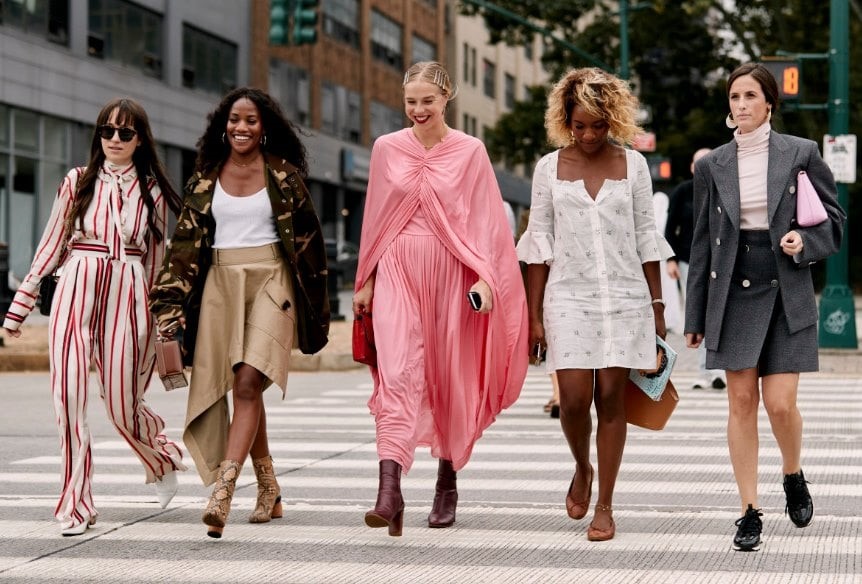
 In today’s fast-moving world, fashion is more than just clothing—it is a statement, a personality, and often, a reflection of one’s identity. However, a common perception still lingers in society:
“If someone is fashionable, are they becoming westernised?”
This question has sparked debates across generations. While some see modern fashion as a sign of progress, others associate it with the loss of cultural roots. But is this assumption really valid? Or is it simply a misunderstanding of what fashion truly represents?
Defining Fashion and Westernisation
To understand the difference, we must first define the two concepts clearly.
Fashion refers to the popular styles, trends, and ways of dressing that evolve over time. It is dynamic, creative, and influenced by multiple cultures, climates, and lifestyles.
Westernisation, on the other hand, refers to adopting the cultural practices, values, and lifestyles of Western countries. It is a broader social and cultural shift, not limited to clothing alone.
Therefore, equating fashion with westernisation is an oversimplification. While Western fashion may influence global trends, fashion itself is not confined to any single culture.
The Globalisation of Fashion
With the rise of the internet, social media, and global brands, fashion has become a universal language. Trends now travel across continents within seconds.
Brands like Zara and H&M operate worldwide, but they constantly adapt their collections to local tastes. At the same time, Indian textiles, embroidery, and silhouettes are gaining international recognition.
This exchange shows that fashion today is not about one culture dominating another—it is about cultural blending and mutual influence.
A kurta paired with jeans or a saree styled with a belt is not westernisation; it is fusion.
🇮🇳 Evolution of Indian Fashion
Indian fashion has never been static. From ancient draped garments to Mughal-inspired attire and modern fusion wear, it has continuously evolved.
Today, designers like Sabyasachi Mukherjee and Manish Malhotra are showcasing Indian craftsmanship on global platforms while blending traditional aesthetics with contemporary styles.
Young people now experiment with:
- Indo-western outfits
- Sneakers with ethnic wear
- Minimalist modern silhouettes with traditional fabrics
This evolution reflects creativity, not cultural loss.
The Role of Mindset and Generational Gap
The belief that fashion equals westernisation often stems from generational differences. Older generations grew up in a time when traditional attire dominated daily life, and Western clothing was seen as foreign.
However, for today’s generation, exposure to global cultures has redefined perspectives. Fashion is no longer about “East vs West”—it is about individuality.
Judging someone’s cultural values based on their clothing is a narrow viewpoint that ignores the diversity of modern identities.
Fashion as a Form of Self-Expression
Clothing today is a powerful medium of expression. It reflects:
- Personality
- Mood
- Profession
- Social environment
A person can wear Western outfits and still deeply value their traditions, just as someone in traditional attire may embrace modern ideas.
Culture is internal—it is reflected in values, behavior, and beliefs, not just clothing.
Balancing Tradition and Modernity
The real question is not whether fashion is westernised, but how individuals balance tradition and modernity.
Many people today celebrate festivals in traditional wear while opting for contemporary styles in daily life. This balance shows that embracing modern fashion does not mean abandoning cultural roots.
True cultural strength lies in the ability to adapt without losing identity.
Breaking the Stereotype
It is important to move beyond outdated stereotypes such as:
- “Modern clothes mean modern values”
- “Traditional clothes mean conservative thinking”
Such assumptions limit personal freedom and ignore the complexity of human identity.
Fashion choices should be respected as personal preferences, not judged as cultural statements.
Conclusion
Being fashionable is not about becoming westernised—it is about being confident, creative, and comfortable in one’s own skin. Fashion today is a blend of global influences and local traditions, shaped by individual choices rather than cultural boundaries.
In a world that is increasingly interconnected, style is no longer defined by geography. It is defined by you.
“Fashion is not about where it comes from—it’s about how you make it your own.”