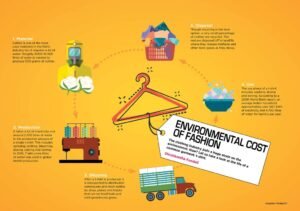
 In the past two decades, fast fashion has transformed the way people consume clothing. What was once a seasonal industry has become a rapid-cycle system where new styles appear weekly, driven by brands like Zara, H&M, and Shein. While this model makes fashion more accessible and affordable, it comes with a hidden price—one that the environment is paying heavily.
1. Overproduction and Textile Waste
Fast fashion thrives on overproduction. Brands produce massive quantities of clothing to keep up with ever-changing trends, often encouraging consumers to buy more than they need. As a result, millions of tons of textile waste are generated every year.
Many garments are worn only a few times before being discarded. A significant portion ends up in landfills, where synthetic fabrics like polyester can take hundreds of years to decompose. Even donated clothes often don’t get reused; instead, they are exported to developing countries, overwhelming local waste systems.
The rise of “throwaway culture” has turned clothing into a disposable commodity, fundamentally altering how society values fashion.
2. Water Consumption and Pollution
The fashion industry is one of the largest consumers of water globally. Producing a single cotton shirt can require thousands of liters of water—from growing the crop to dyeing the fabric.
Dyeing and finishing processes are especially harmful. Toxic chemicals used in coloring fabrics often end up in rivers and oceans, particularly in countries with weak environmental regulations. This contaminates water supplies, harms aquatic ecosystems, and affects communities that rely on these water sources.
Microplastics are another growing concern. When synthetic fabrics are washed, tiny plastic fibers shed and enter waterways, eventually reaching oceans and entering the food chain.
3. Carbon Emissions and Climate Impact
Fast fashion contributes significantly to global greenhouse gas emissions. The entire lifecycle of a garment—from raw material extraction to manufacturing, transportation, and disposal—requires energy, much of which comes from fossil fuels.
Factories are often located in countries where coal-powered energy is still dominant. Add to this the global supply chain—shipping garments across continents—and the carbon footprint increases dramatically.
The industry’s emissions rival those of major sectors like aviation and shipping combined, making it a critical contributor to climate change.
4. Synthetic Fibers and Plastic Pollution
A large percentage of fast fashion clothing is made from synthetic fibers such as polyester, nylon, and acrylic. These materials are derived from petroleum and are essentially forms of plastic.
Unlike natural fibers, synthetic textiles do not biodegrade easily. Instead, they break down into microplastics, which persist in the environment indefinitely. These particles are now found everywhere—from ocean depths to human bloodstreams—raising serious concerns about long-term ecological and health impacts.
5. Resource Depletion
Fast fashion places immense pressure on natural resources. Cotton farming alone requires large amounts of water, pesticides, and land. Over time, this leads to soil degradation and reduced agricultural productivity.
Additionally, the extraction of raw materials for synthetic fibers contributes to the depletion of non-renewable resources like crude oil. As demand for cheap clothing grows, so does the strain on the planet’s finite resources.
6. The Hidden Cost of Cheap Prices
Low prices often mask the true environmental cost of clothing. Fast fashion brands reduce production costs by using cheaper materials, cutting corners in manufacturing, and producing at scale.
This model prioritizes speed and profit over sustainability. The result is clothing that is less durable, encouraging frequent replacement and further increasing waste.
Consumers are often unaware that the affordability they enjoy comes at the expense of environmental degradation.
7. Moving Towards Sustainable Fashion
Despite the challenges, there is a growing shift toward more sustainable practices. Many brands are beginning to adopt eco-friendly materials, reduce waste, and improve transparency in their supply chains.
Consumers also play a crucial role. Simple actions like buying fewer clothes, choosing quality over quantity, recycling garments, and supporting ethical brands can make a significant difference.
Slow fashion—a movement that emphasizes durability, ethical production, and mindful consumption—is gaining traction as an alternative to the fast fashion model.
Conclusion
Fast fashion has democratized style, making trends accessible to millions. However, its environmental impact cannot be ignored. From water pollution and carbon emissions to textile waste and resource depletion, the industry’s footprint is vast and complex.
The future of fashion depends on a collective shift—from both brands and consumers—toward sustainability, responsibility, and conscious choices. Only then can fashion truly become not just stylish, but sustainable.